Your Cart is Empty
Free Shipping on orders over $100 *AK, HI, PR restrictions may apply
Free Shipping on orders over $100 *AK, HI, PR restrictions may apply

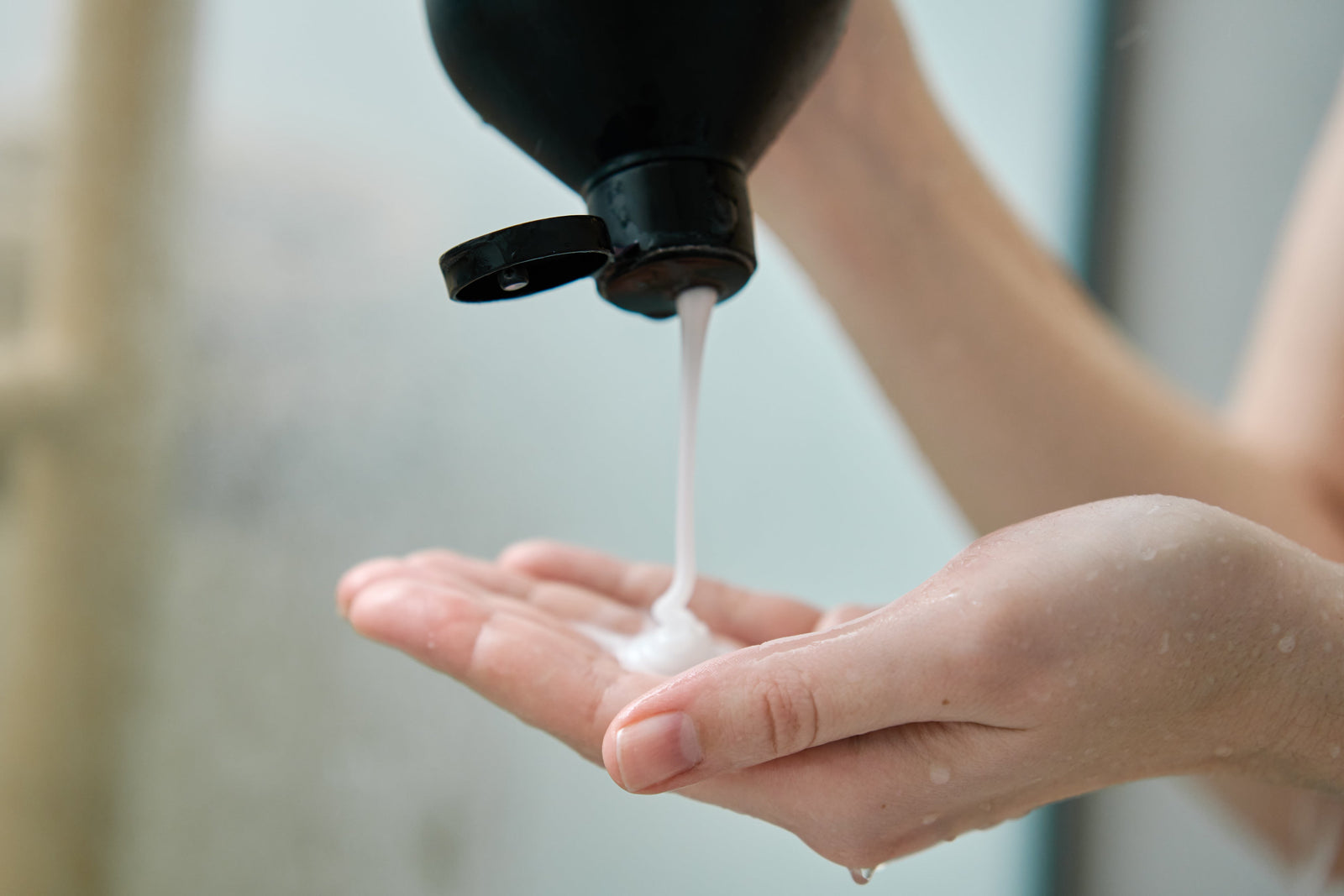

Conditioner is not bad for your hair. Problems usually arise when the wrong formula is used, applied incorrectly, or too aggressively. This can create buildup, heaviness, or scalp imbalance that may feel like damage.
When hair looks flat, greasy at the roots, or limp through the lengths, conditioner is often the first thing people eliminate. In reality, hair rarely struggles from conditioning itself. The real issue is mismatch.
After decades of working with fine strands, dense curls, chemically treated hair, and aging textures, Chaz Dean has noticed a consistent pattern. Hair responds best when moisture is balanced, not stripped and corrected over and over again.
Conditioner supports cuticle smoothness and moisture retention
Low-quality or overly heavy formulas can cause buildup
Strand diameter matters more than hair density
Conditioner does not cause hair loss
Scalp balance influences how conditioner performs
Cleansing conditioners can reduce the over-stripping cycle
Proper technique prevents most conditioning problems
To understand whether conditioner is harmful, it helps to know what it is designed to do. Shampoo lifts the cuticle to remove oil and debris. Conditioner restores balance by:
Flattening lifted cuticle scales
Reducing friction between strands
Improving elasticity
Supporting moisture retention
Enhancing shine through surface smoothness
On a structural level, hair carries a slight negative charge, especially when damaged. Most conditioning agents are positively charged, which allows them to bind to stressed areas along the shaft. This helps smooth uneven sections and reduce static.
When the cuticle lies flatter, hair reflects more light, tangles less, and experiences less mechanical stress during brushing and styling. Conditioning is not cosmetic fluff. It is structural support.
Conditioner does not cause hair loss. Shedding in the shower may appear more noticeable with conditioner because added slip allows hairs already in the resting phase to release during detangling. Most people shed between 50 and 100 strands per day.
True hair loss is usually linked to internal factors like hormones, genetics, stress, or medical conditions. Conditioner works on the hair shaft, not the follicle where growth occurs. If irritation happens, it is typically due to fragrance sensitivity or poor formulation, not conditioning itself.
A peer-reviewed study titled “Effect of shampoo, conditioner and permanent waving on the molecular structure of human hair” used X-ray diffraction to see how treatments affect hair fibers.
The study found that shampoo and conditioner do not alter keratin structure or internal hair composition. Conditioner works mainly on the cuticle, improving smoothness, shine, and manageability, while deeper structural changes only occur with chemical treatments like permanent waves.
This confirms that proper conditioning supports hair health without damaging its core structure.
Conditioner does not directly treat dandruff. Scalp balance influences how flaking presents. Dandruff is often related to yeast imbalance, oil regulation, and inflammation. Harsh cleansing can disrupt the scalp barrier, increasing dryness and irritation.
Balanced cleansing paired with thoughtful conditioning helps maintain comfort and reduce barrier stress. When addressing dandruff, focus conditioner on mid-lengths and ends unless using a cleansing conditioner designed for scalp use.
Traditionally, shampoo comes first and conditioner follows. Shampoo cleanses. Conditioner restores smoothness and moisture.
Cleansing conditioners combine both steps. This approach is especially beneficial for dry, porous, curly, or color-treated hair that reacts poorly to repeated stripping. Chaz Dean’s philosophy centers on reducing harsh surfactants and maintaining consistent hydration rather than cycling between extremes.
Application technique determines whether conditioner enhances or weighs down your hair.
For most hair types, apply from mid-length to ends and allow it to sit for several minutes before rinsing thoroughly
Fine strands need lighter formulas and minimal application near the roots
Coarser or curlier hair can tolerate more generous distribution
For deeper structural support, incorporate a weekly treatment from the Deep Conditioners Collection. These treatments improve elasticity and long-term resilience without creating heaviness. Consistency matters more than excess. Conditioning should feel supportive, not suffocating.

This infographic reveals why conditioner isn't your hair's enemy, debunking hair loss myths by explaining how it actually protects the outer cuticle and provides the "slip" needed for healthy, damage-free hydration.
Some misconceptions lead people to avoid conditioner unnecessarily:
Conditioner causes hair to fall out. Shedding during washing is normal.
Oily scalps should skip conditioner. Placement matters more than elimination; focus on mid-lengths and ends.
All conditioners are the same. Formulation, quality, and ingredients vary widely. High-quality collections like Chaz Dean’s Cleansing Conditioner protect hair and restore hydration without weighing it down.
Oils do not replace conditioner; they seal moisture. Applying oil to dry hair can trap dehydration, while applying it to damp, hydrated hair smooths the surface and reduces friction.
Chaz Dean’s Hair Treatment Oil Collection is designed to be used after cleansing and conditioning to enhance shine and protect from humidity and environmental stress.
Even well-conditioned hair can appear dry if heat is mismanaged, no matter your style, whether you're learning how to style curtain bangs or working with shorter cuts like pixies. Excessive heat disrupts internal moisture before the cuticle settles.
Using controlled airflow and moderate heat helps maintain smoothness. The WEN Brush Dryer Styling Tool combines airflow with brush tension to smooth hair while minimizing cuticle disruption. Used on properly conditioned hair, it enhances shine without over-drying.
Styling should reinforce conditioning, not undo it.
When selecting a conditioner, consider the following factors to ensure it benefits your hair rather than weighing it down.
Hair type and strand diameter: Fine strands may need lighter formulas while thicker or coarser hair can tolerate richer conditioners.
Porosity and damage level: Hair that absorbs moisture quickly or has been chemically treated may require more hydrating ingredients.
Scalp needs: Dry, oily, or sensitive scalps benefit from conditioners tailored to maintain balance without causing buildup.
Desired outcome: Whether you want volume, smoothness, frizz control, or deep hydration, choose a formula that targets your goal.
Matching the conditioner to your hair’s unique needs helps maintain moisture, smoothness, and manageability without overloading or creating residue.
No. Conditioner is not bad for your hair. Problems arise when formulas are too heavy for your strand diameter, cleansing is overly aggressive, or products are misapplied.
High-quality conditioning supports smoother cuticles, better elasticity, reduced breakage, and improved moisture retention. Hair thrives when hydration is maintained consistently rather than stripped and corrected repeatedly.
Conditioning, when matched correctly to your hair type and routine, is protective. Not harmful.
Conditioner works on the hair shaft. It does not penetrate or block the follicle when rinsed properly.
Most hair types benefit from conditioning every wash. Deep conditioning once weekly supports long-term strength.
Yes. Fine strands require lightweight formulas and careful placement to avoid heaviness.
Yes. Changes in smell, texture, or separation indicate expiration and the product should be replaced.