Your Cart is Empty
Free Shipping on orders over $100 *AK, HI, PR restrictions may apply
Free Shipping on orders over $100 *AK, HI, PR restrictions may apply

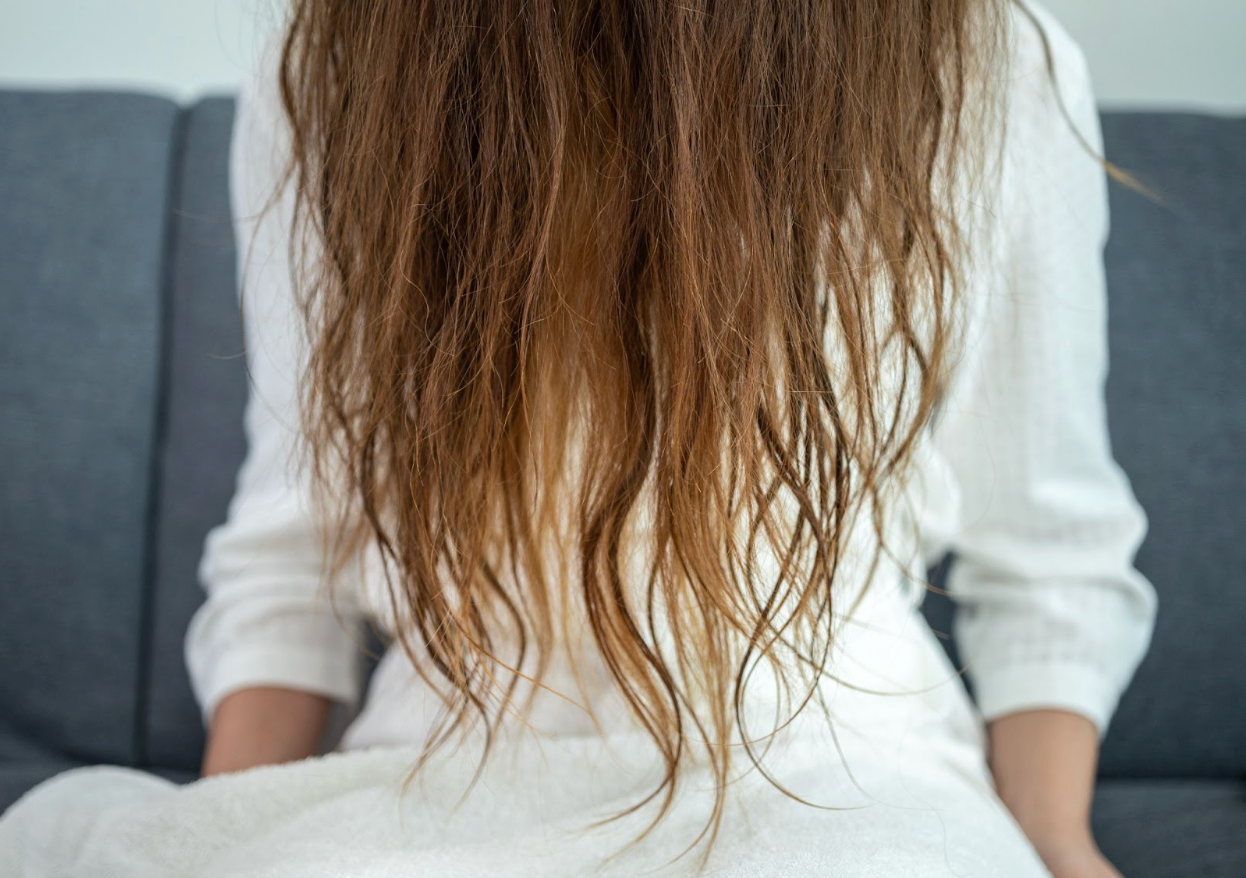

Frizz is a common problem, no matter your hair type. Many people wonder why their hair gets frizzy. It happens when the hair cuticle lifts, making strands swell, separate, or feel rough. Understanding why frizz appears and what your hair needs makes it easier to manage.
Chaz Dean, a celebrity stylist with decades of experience working with all hair types, has developed practical techniques and products to keep hair smooth and healthy. His approach combines internal hydration, surface protection, and styling methods that support long-term frizz control.
Frizzy hair occurs when moisture moves unevenly in and out of the hair shaft
Dryness, porosity, and damage are the most common underlying factors
The timing of frizz reveals its cause more than its appearance
Humidity worsens frizz when hair is already dry or porous
Oils, conditioners, and treatments help only after moisture balance is addressed
Frizzy hair is hair that does not lie uniformly. When the cuticle layers are raised or damaged, moisture moves unevenly along the strands, causing them to lift, swell, or separate. This gives hair a rough or fuzzy appearance that can change throughout the day depending on weather, handling, or styling.
Frizz is not limited to curly hair. Straight, wavy, and coily hair can all become frizzy if moisture is not properly balanced. The difference lies in how noticeable frizz is based on texture, density, and curl pattern.
Frizz results from an imbalance between hair moisture content and how hair absorbs or loses water. Common contributors include:
Dryness: Hair lacking internal moisture absorbs water unevenly from the environment
Porosity: Chemically treated, heat-styled, or naturally porous hair absorbs and releases moisture too quickly
Damage: Repeated coloring, lightening, or mechanical stress disrupts the cuticle surface
Cleansing routines: Shampoos that strip too much natural oil can leave the cuticle raised
Inadequate conditioning: Conditioners not matched to your hair texture or porosity fail to maintain moisture balance
Frizz usually stems from a combination of these factors, not a single cause. Understanding which contributors dominate your hair allows for more targeted care.
The timing, texture, and location of frizz provide important clues:
Immediate post-wash frizz often indicates cleansing or conditioning issues
Delayed frizz, especially in humidity, usually signals internal dryness
Rough or brittle strands suggest moisture loss or damage
Soft, airy frizz often relates to porosity or static
Observing these patterns helps you choose products and techniques that address the cause rather than masking symptoms.
Hair becomes dry and frizzy when it lacks internal moisture. Dry strands pull water unevenly from the air, causing swelling and separation. This is common in hair that is washed frequently, heat styled, or naturally textured. Coarser or curlier hair types are especially prone because scalp oils have difficulty traveling down the strand.
Long-term improvement comes from consistent hydration and care. Deep conditioning, gentle cleansing, and weekly hair masks restore internal moisture and reduce frizz over time.
Post-wash frizz occurs when the cuticle is left raised or uneven. Causes include:
Shampoos that remove too much natural oil
Conditioners that are too light or not suited to your hair type
Hot water or rough towel drying
Small changes, like using lukewarm water, applying conditioner thoroughly, and gently patting hair dry, can prevent frizz from appearing immediately.
Frizz at the crown is often caused by exposure and handling. Hair at the top experiences more friction, sun, and heat, making it more prone to lift. Over-cleansing the scalp or directing hot airflow to the roots can make frizz more noticeable even when hair is healthy.
Using leave-in treatments and gentle styling at the crown reduces friction-induced frizz and improves overall smoothness.
Curly hair is more prone to frizz because its shape makes even moisture distribution harder. When hydration is inconsistent, curls lose definition and separate. Frizz worsens if styling products coat only the surface without improving internal moisture.
To manage frizz in curls:
Hydrate with leave-in conditioners or lightweight creams
Detangle gently to prevent cuticle damage
Use diffuser attachments when drying to maintain curl shape and minimize frizz
Blow drying can create frizz if hair dries too quickly or unevenly. High heat can remove internal moisture before the cuticle settles. Focused airflow, controlled heat, and sectioned drying produce smoother results.
Tips for reducing blow-dry frizz:
Start with medium heat and finish with cooler air
Dry hair in sections for even airflow
Apply a leave-in treatment or deep conditioner before drying to protect moisture
Chaz Dean’s WEN Brush Dryer Styling Tool, created by Chaz Dean, combines airflow and brush action to smooth hair while reducing damage. Interchangeable brush attachments allow even drying and frizz control, reflecting his expertise in styling all hair types.
How to use for frizz control:
Work in sections rather than all hair at once
Use brush attachments to smooth hair and reduce lift
Pair with leave-in treatments or deep conditioner to seal moisture
Finish with cooler air to lock in smoothness
Humidity makes frizz worse because hair absorbs moisture from the air unevenly. When the cuticle is raised or hair is porous, water molecules enter the strand at different rates, causing it to swell and lift. Even healthy hair can frizz in high humidity if underlying dryness exists.
To manage humidity-induced frizz:
Hydrate hair regularly with deep conditioning or weekly masks
Seal with leave-in products to lock in moisture
Minimize brushing dry hair in humid conditions
Use protective styles when weather is damp or humid
Chaz Dean’s WEN Cleansing Conditioners help maintain hydration and smoothness, making hair less reactive to frizz triggers.
Long-term frizz reduction comes from consistent moisture balance:
Gentle cleansing without stripping oils
Regular conditioning suited to your hair type
Deep treatments or masks weekly
Controlled drying methods, avoiding high heat directly on roots

Managing frizz without heavy products requires applying hydration in a way that doesn’t flatten hair, whether you're styling curtain bangs, face-framing layers, or more structured styles. Steps to follow:
Start with damp hair and apply a light leave-in conditioner
Apply 1-2 pumps of a deep conditioner to provide frizz control and moisture without weighing hair down
Dry hair in sections using a medium heat setting
Finish with cooler air to lock in smoothness
Touch up only areas that need extra smoothing
Hair oils seal moisture and smooth the hair surface but do not add hydration. Applying oil to already dry hair can lock in frizz instead of solving it. Oils work best on hair that is slightly damp and hydrated.
Chaz Dean’s Hair Treatment Oil Collection provides smoothing, shine, and frizz control when used correctly. Tips for use:
Apply to damp hair after washing and conditioning
Work a small amount through mid-lengths to ends
Avoid roots to prevent greasiness
Pair with leave-in conditioner or deep conditioner for optimal results
Chaz Dean’s Pomegranate Re-Moist Hydrating Hair Mask, formulated from years of professional styling experience, replenishes moisture and softens strands while supporting long-term frizz control. Pair it with a WEN Cleansing Conditioner to maintain hydration and reduce frizz caused by dryness or porosity.
Usage tips:
Apply the mask weekly after cleansing and leave on for 20–45 minutes
Use the cleansing conditioner consistently to avoid stripping natural oils
Adjust mask frequency based on hair thickness and porosity
Hair creams manage frizz during styling by improving softness and control. Treatments, like masks or deep conditioners, work over time to improve how hair retains moisture and responds to handling.
Based on Chaz Dean’s styling methods, applying treatments before using heat tools helps hair retain moisture and reduces frizz more effectively than surface-only creams. When frizz returns after every wash, treatments are usually more effective than adding extra styling product.
Many solutions focus on surface smoothing without addressing moisture balance. Over time, this leads to dryness, buildup, and recurring frizz. Focusing on hydration first, then styling, produces more lasting results.
Typically 20-45 minutes, depending on thickness and porosity.
Yes. Any hair type can frizz if the cuticle is lifted or moisture is uneven.
1-2 times per week or as needed on damp hair to smooth mid-lengths and ends.
Likely, because frizz is mostly caused by moisture imbalance. Consistent conditioning reduces it long-term.